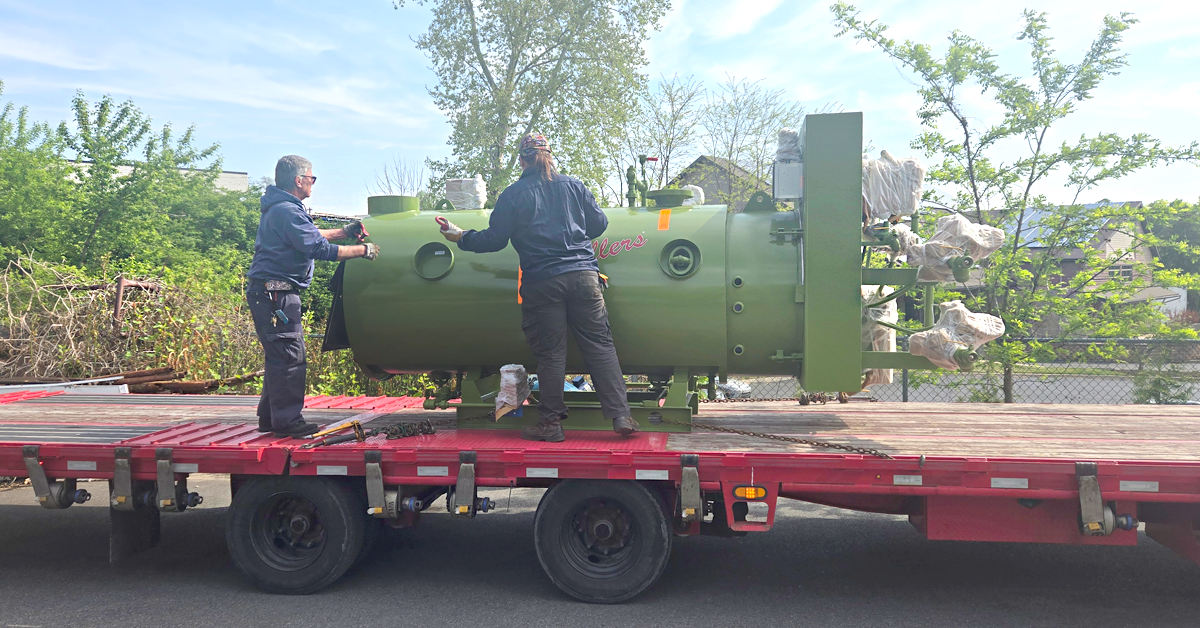

The commercial boiler specification process involves more decisions than most facility managers and engineers expect when they start one. The boiler itself is one decision. The breeching and stack system is another. The efficiency rating on the specification sheet needs to be interpreted correctly to mean anything useful. The control system needs to match the building automation infrastructure and the operating requirements of the distribution system. And the pre-season startup process needs to happen before the first cold snap, not after it.
This resource guide organizes the GP Energy Products content library into a single reference for engineers, facility managers, and mechanical contractors working on commercial and industrial boiler applications. Each section links to the full article on the topic. The guide is designed to be bookmarked and returned to as a project moves from initial evaluation through specification, installation, and ongoing operation.
Quick Reference: GP Energy Products Article Library
- Boiler breeching and stack design
- How to read a boiler efficiency rating
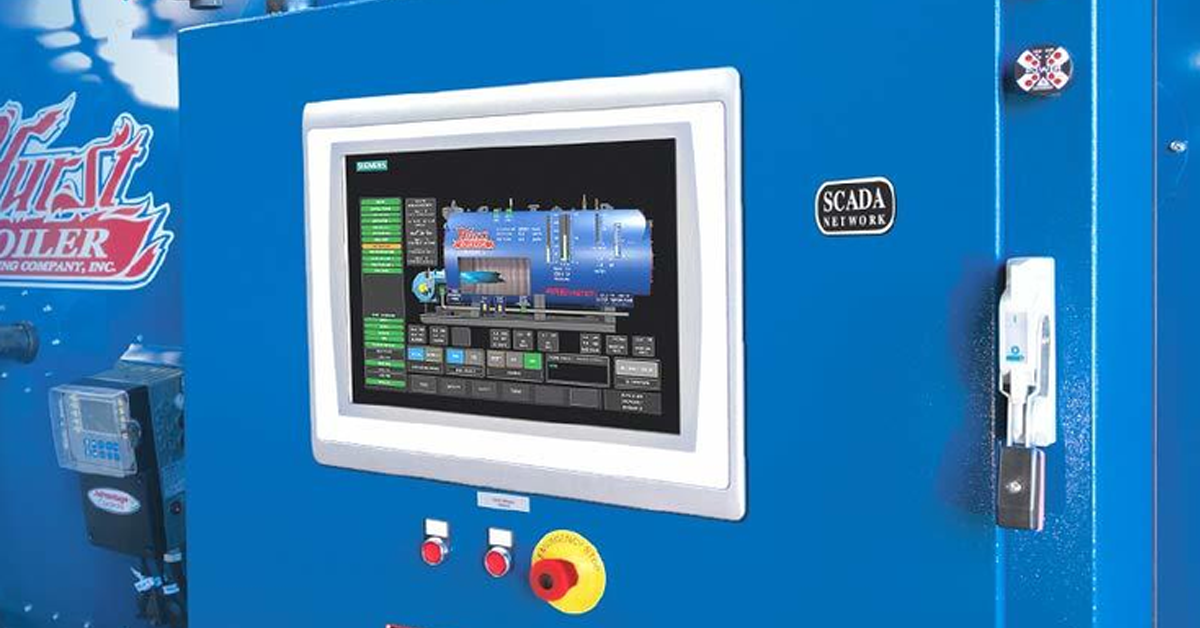
- Industrial boiler controls
- Pre-season boiler startup checklist
- Boiler service and repair in Pennsylvania, New Jersey, Delaware, and Maryland
- Hurst Series 500 four-pass wetback Scotch Marine boiler
- The Unilux 5-pass watertube boiler
- Sellers Manufacturing and industrial steam applications
- Rental boilers and emergency response
Before the specification is written
Two topics belong in every boiler specification conversation before anything is selected or sized.
Boiler breeching and stack design.
The breeching connects the boiler’s flue gas outlet to the stack, and it is one of the most consistently overlooked components in boiler room design. The breeching needs to be sized for the replacement boiler, fabricated from materials appropriate for the boiler category, and designed for the actual draft conditions at the site. A breeching system that worked correctly with the original boiler may not work correctly with a replacement that has a different flue gas outlet size, a different category designation, or a higher firing rate.
The article What is boiler breeching and why does it matter for system efficiency covers the design principles, the four common failure modes, the boiler category and material requirements, and a pre-specification checklist that GP Energy uses on every replacement project. Article Here.
How to read a boiler efficiency rating.
The efficiency number on the specification sheet is only meaningful in the context of the conditions under which it was measured. Combustion efficiency, thermal efficiency, and seasonal efficiency measure different things. An AHRI-certified thermal efficiency rating is the most reliable apples-to-apples comparison between competing products. A condensing boiler rated at 94% achieves that rating at a specific entering water temperature, and a system that does not support low return water temperatures may not allow the boiler to condense and deliver on its rated efficiency.
The article How to read a boiler efficiency rating and what it actually means for your facility covers combustion efficiency, thermal efficiency, and seasonal efficiency in plain language, explains what condensing actually means in a real system, and describes how to use efficiency ratings in a specification decision. Article here.
Boiler controls and building automation
Industrial boiler controls: what they do, how they fail, and what modern control systems look like.
Boiler control problems come in two types. Hard failures take the boiler offline and announce themselves. Soft failures, a modulating control that has drifted out of calibration, a combustion trim that is no longer reading correctly, a sequencing control cycling boilers wrong, produce no alarm. They show up in the fuel bill. A boiler plant that was efficient five years ago gradually becomes less efficient as calibration drifts and sensors degrade, and nobody notices until someone looks for it.
This article covers what boiler controls actually do, how soft failures accumulate over time, the signs that a controls assessment is warranted, and what a modern digital control system provides compared to an aging pneumatic or relay-based system. Article here.
Pre-season startup and service
The commercial boiler pre-season startup checklist.
The facility managers who avoid emergency service calls in January are the ones who scheduled their pre-season inspection in August. This checklist covers burner and combustion analysis, safety control testing per ASME CSD-1, heat transfer surface inspection, breeching and flue gas path review, water treatment and system chemistry, expansion tank and system pressure, and controls and building automation interface verification. Every item is manageable in August. Some of them become emergencies in October. Article here.
Boiler service and repair in Pennsylvania, New Jersey, Delaware, and Maryland.
What the commercial boiler service process looks like, what information helps the service team respond faster in an emergency, why planned maintenance costs less than emergency repair, and what a pre-season inspection includes when the GP Energy team performs it. Article here.
Manufacturer-specific resources
Hurst Series 500 four-pass wetback Scotch Marine boiler.
Why the wetback design eliminates the refractory maintenance issues that accumulate in dryback designs, what four-pass combustion gas routing means for efficiency, and why single-technician tube access without burner removal matters for the life of the installation. Article here.
The Unilux 5-pass watertube boiler.
What makes the 5-pass bent-tube design different from conventional fire tube, why 85% standard efficiency is the starting point rather than a target, what the 1,250 to 29,000 MBH capacity range covers, and why the 25-year thermal shock warranty reflects a genuine design advantage rather than a marketing claim. Article here.
Sellers Manufacturing and industrial steam applications.
Digesters, food processing, manufacturing, refining, medical waste. Industrial steam is an underserved market and Sellers is built for the applications that most boiler reps walk past. Deaerators, boiler feed systems, modular skid packages, and medical waste autoclaves. One manufacturer, one source for the whole boiler room. Article here.
Rental boilers and emergency response
When your boiler goes down, GP Energy’s rental fleet goes up. 34 to 350 HP. Low and high pressure. Hot water and steam. Outdoor units that deploy without a mechanical room. The time to know what is available is before the emergency, not during it. Article here.
Cross-system resources
A boiler plant does not operate in isolation. The pump systems serving the boiler and the distribution system are part of the same mechanical system conversation. The Merion Pump Company team handles pump selection, service, and repair for commercial hydronic and steam system applications. Visit merionpump.com for the Merion resource library covering variable flow systems, chiller plant pumping, high-rise pump selection, and plate heat exchangers.
For large commercial and industrial projects where the full boiler room is the scope, FabPro Systems designs and fabricates factory-assembled boiler room packages that integrate the boiler, pump systems, and distribution headers into a tested and documented system. Visit fabprosystems.com for more.
For heat exchangers and coils in the distribution system, HX Coils manufactures custom replacement coils for commercial and industrial applications across the Mid-Atlantic. Visit hxcoils.com for the HX Coils resource library covering steam coils, high-temperature hot water coils, chilled water coils, and replacement coil programs.
Quick Reference: GP Energy Products Article Library
- Boiler breeching and stack design
- How to read a boiler efficiency rating
- Industrial boiler controls
- Pre-season boiler startup checklist
- Boiler service and repair in Pennsylvania, New Jersey, Delaware, and Maryland
- Hurst Series 500 four-pass wetback Scotch Marine boiler
- The Unilux 5-pass watertube boiler
- Sellers Manufacturing and industrial steam applications
- Rental boilers and emergency response
References
1. GP Energy Products. Article library at gpenergyproducts.com. All articles referenced in this guide are published on the GP Energy Products website.
2. ASME CSD-1. Controls and Safety Devices for Automatically Fired Boilers. asme.org
3. AHRI Standard BTS-2000. Commercial Boilers performance testing standard. ahrinet.org
4. American Boiler Manufacturers Association. Boiler Room Guide. abma.memberclicks.net