A boiler failure during heating season is not a maintenance problem. It is an operations problem. The building is cold, the occupants are calling, and the decisions made in the first hour determine how quickly heat comes back online and how much the recovery costs. Most facility managers have never managed a boiler failure before it happens to them. The ones who handle it well are the ones who knew what to do before the phone rang.
This article covers what to do in the first hour of a commercial boiler failure, what information to have ready before calling for service, and when to start the rental boiler conversation.
Step one: confirm the failure and check the obvious
Before calling for service, spend five minutes confirming that the boiler has actually failed and checking the most common causes that facility staff can address without a technician.
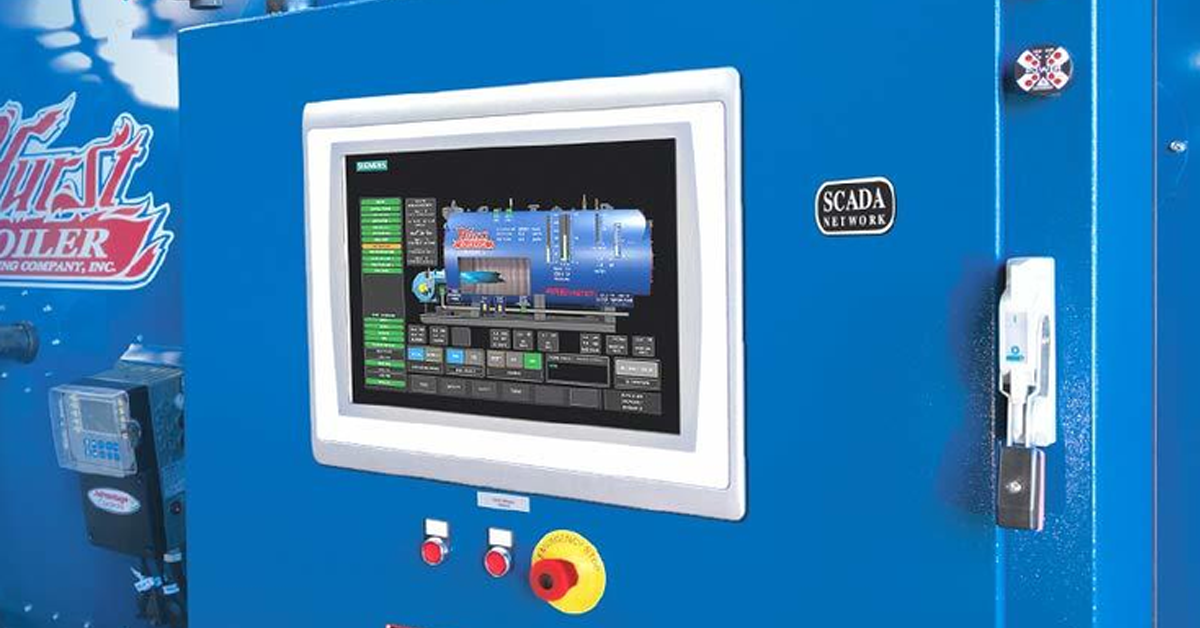
Check the boiler control panel for fault codes. A boiler that has gone into lockout has a fault code that describes exactly what caused the shutdown. That fault code is the first thing a service technician will ask for and the first thing that tells you whether you are dealing with a nuisance lockout or a hard failure. Write it down.
Check the gas supply. A boiler that is not firing and has no fault code may have lost its gas supply. Confirm that the gas meter is active and that the manual gas shutoff valves serving the boiler are open. A gas supply interruption that affects the whole building will affect other gas-fired equipment as well.
Check the system water pressure. A boiler that shut down on low water may have lost pressure through a leak, through a failed pressure reducing valve, or through a pressure relief valve that has been weeping. Confirm the system pressure at the gauge and compare it against the normal operating range for the system.
Check the electrical supply. Confirm that the circuit breaker serving the boiler control panel is on and that the boiler disconnect switch is in the on position. A tripped breaker or an accidentally switched disconnect is not a boiler failure. It is a five-second fix.
If the fault code points to a safety interlock condition, confirm whether the interlock condition has cleared before attempting a manual reset. Resetting a boiler into an active safety interlock condition will produce another lockout immediately and in some cases can mask a developing problem that needs investigation.
What to have ready before calling for service
The speed with which a service technician can diagnose and repair a boiler failure depends heavily on the information the facility team provides when they call. A facility manager who can answer these questions clearly compresses the diagnostic process significantly.
The boiler make, model, and serial number. The fault code displayed on the control panel. The approximate age of the boiler and the date of the last service inspection. Whether the failure occurred during startup, during normal operation, or after a period of operation at load. Whether any unusual sounds, smells, or visible conditions preceded the failure. Whether any work was performed on the boiler or the mechanical room recently.
The serial number and model information should be recorded and kept somewhere accessible before a failure occurs. A facility manager looking for the boiler serial number while the building is cold and the phone is ringing is spending time that could be spent getting the technician dispatched.
Protecting the building while waiting for service
While waiting for the service technician, take steps to protect the building and its occupants from the effects of heat loss.
For buildings with multiple boilers, confirm whether the remaining boilers can carry the heating load at reduced capacity. A multi-boiler plant where one boiler has failed may be able to maintain acceptable temperatures in occupied spaces while the failed boiler is being repaired, particularly in moderate weather.
For buildings with a single boiler, assess the rate of temperature drop in critical spaces and the expected arrival time of the service technician. If the temperature in occupied spaces is dropping quickly and the service response time is measured in hours rather than minutes, notify building management and occupants early rather than waiting to see how the situation develops.
For buildings with processes or equipment that cannot tolerate extended heat loss, the conversation about temporary heat needs to start immediately rather than after the service technician has confirmed that the repair will take significant time.
When to start the rental boiler conversation
The rental boiler conversation should start before the service technician has finished the diagnosis, not after the repair estimate has been delivered.
The scenarios that call for immediate rental boiler consideration are a failed heat exchanger that requires parts with a lead time measured in days or weeks, a boiler that has reached the end of its serviceable life and needs replacement rather than repair, a failure that occurs during a period of extreme cold where occupant health or safety is at risk from extended heat loss, and a failure in a building with processes or operations that cannot tolerate even a short interruption in heat supply.
GP Energy maintains a rental fleet covering 34 to 350 HP in low and high pressure steam and hot water configurations. Outdoor units are available that deploy without requiring access to the mechanical room. The time to know what is available and how quickly it can be deployed is before the emergency, not during it.
For facilities where the pump systems serving the boiler are also affected by the failure or where pump condition may have contributed to the boiler failure, the Merion Pump Company team handles emergency pump system assessment across Pennsylvania, New Jersey, Delaware, and Maryland. Visit merionpump.com for more. For facilities where a packaged replacement system is the right long-term answer after an emergency repair, FabPro Systems designs and fabricates modular boiler room packages. Visit fabprosystems.com for more.
References
1. ASME CSD-1. Controls and Safety Devices for Automatically Fired Boilers. Covers safety control reset procedures and fault condition requirements for commercial boilers. asme.org
2. American Boiler Manufacturers Association. Boiler Room Guide. Covers emergency response procedures and rental boiler deployment for commercial boiler failures. abma.memberclicks.net
3. NFPA 85. Boiler and Combustion Systems Hazards Code. Covers safety requirements applicable to boiler restart procedures following a safety interlock shutdown. nfpa.org
4. Hydraulic Institute. Pump System Emergency Response Guide. Covers pump system assessment following mechanical room emergencies. pumps.org