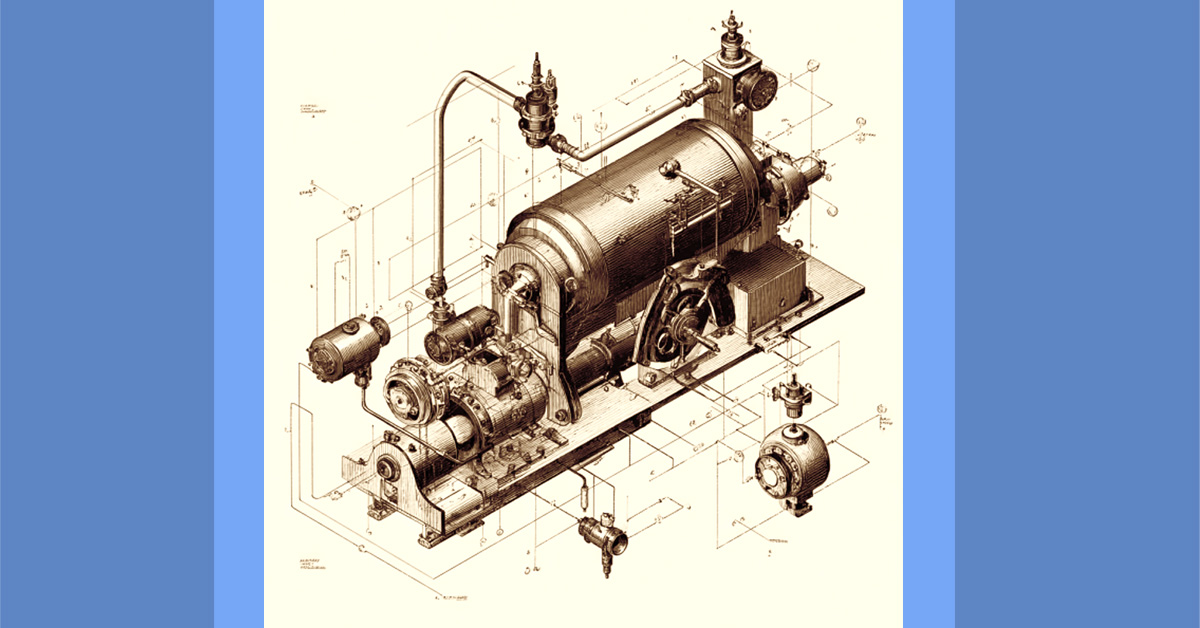
The mechanical systems in a commercial or industrial building do not operate in isolation. The boiler produces steam or hot water. The pumps move it. The coils transfer it. The custom-fabricated skids and enclosures house, route, and protect it. Each component depends on the others to perform the way it was designed to perform, and a failure or underperformance in any one part of that chain has consequences that run through the whole system.
Most vendors give you one part of that picture. A boiler rep who does not think about pumps. A pump distributor who does not think about the heat exchanger circuit the pump is serving. A coil fabricator who does not ask about the system the coil is going into. That fragmentation is normal in this industry and it produces predictable results: specifications that optimize individual components without optimizing the system, installations that perform below expectation because nobody looked at the full picture, and facility managers who end up coordinating between vendors who are pointing at each other when something does not work.
What it looks like when someone thinks about the full system
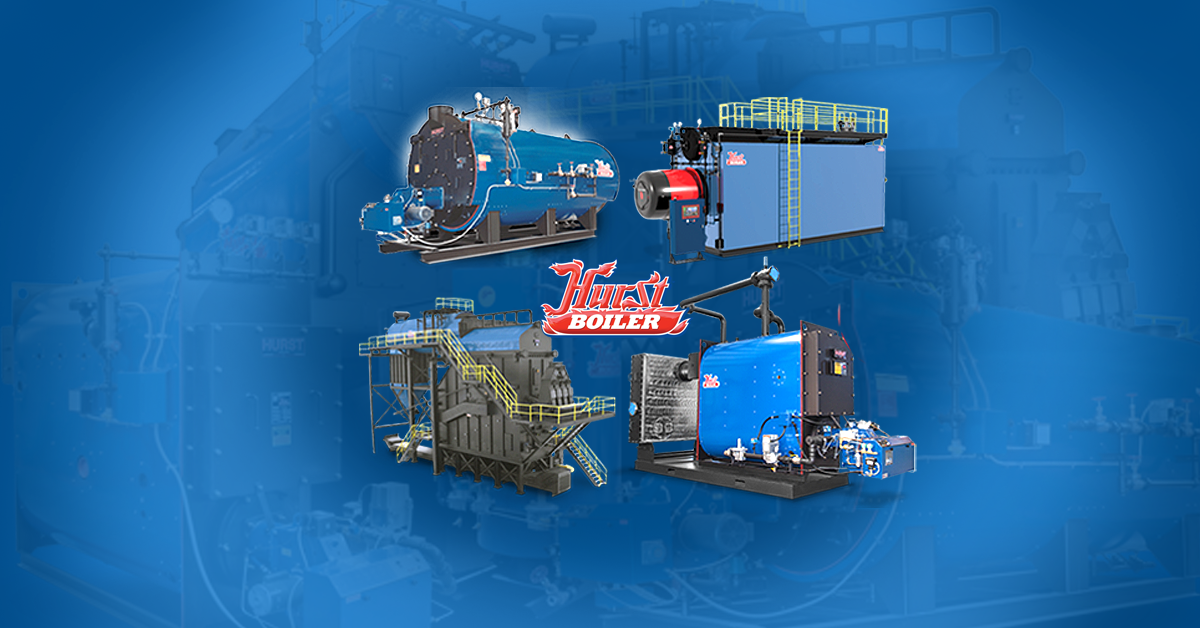
GP Energy Products Group was built around four brands that cover the mechanical system from end to end. GP Energy Products for commercial and industrial boilers and steam systems. Merion Pump Company handles pumps, circulators, and fluid handling across the full commercial range]. HX Coils builds custom heat exchange coils for the applications where a standard coil will not perform. And FabPro Systems takes on the projects where the standard field-built approach is not the right answer.
What that means practically is that when a project comes to us, we are not looking at it through a single product lens. A boiler replacement conversation naturally involves the pumping configuration, the distribution system, and whether the existing coils and heat exchangers are sized for the new boiler’s output. A pump specification conversation involves the full hydronic circuit, not just the pump curve. A custom fabrication project involves understanding the process the system serves, not just the dimensions and materials.
“The mechanical systems in a commercial or industrial building do not operate in isolation. Neither do we. That is not a marketing line. It is the practical reality of how we approach every project.”
Why this matters more now than it used to
The workforce knowledge gap we have written about before is part of this story. The generation of facility engineers and maintenance directors who understood how all of these systems fit together is retiring. The people inheriting responsibility for these buildings often know one part of the system well and are less certain about the rest. Having a team that can look at the full picture and give a straight answer about what is working, what is not, and what the right path forward looks like is increasingly valuable.
It also matters for new construction and major renovation projects, where the cost of fragmented specification is paid in change orders, commissioning delays, and systems that require field modifications because nobody looked at the interfaces between components during the design phase.
What we are not saying
We are not saying GP Energy Products Group is the only resource you need for every mechanical system question. Some projects require specialists with depth in a single area that goes beyond what a multi-discipline rep firm can provide. We know where those lines are and we say so when a project crosses them.
What we are saying is that having a team that thinks about the full system, knows the manufacturers across the full system, and has been doing this work in this region since 1953 is a different kind of resource than a vendor who sells one product and stops there. That difference shows up in the quality of the specification, the smoothness of the installation, and the performance of the system after startup.
GP Energy Products Group serves commercial and industrial customers across Pennsylvania, New Jersey, Delaware, and Maryland. If you have a project where the full picture matters, that is the kind of conversation we are built for.
References
1. ASHRAE. HVAC Systems and Equipment Handbook. ashrae.org
2. Hydraulic Institute. System Curve and Pump Selection Guide. pumps.org
3. ASME. Boiler and Pressure Vessel Code. asme.org