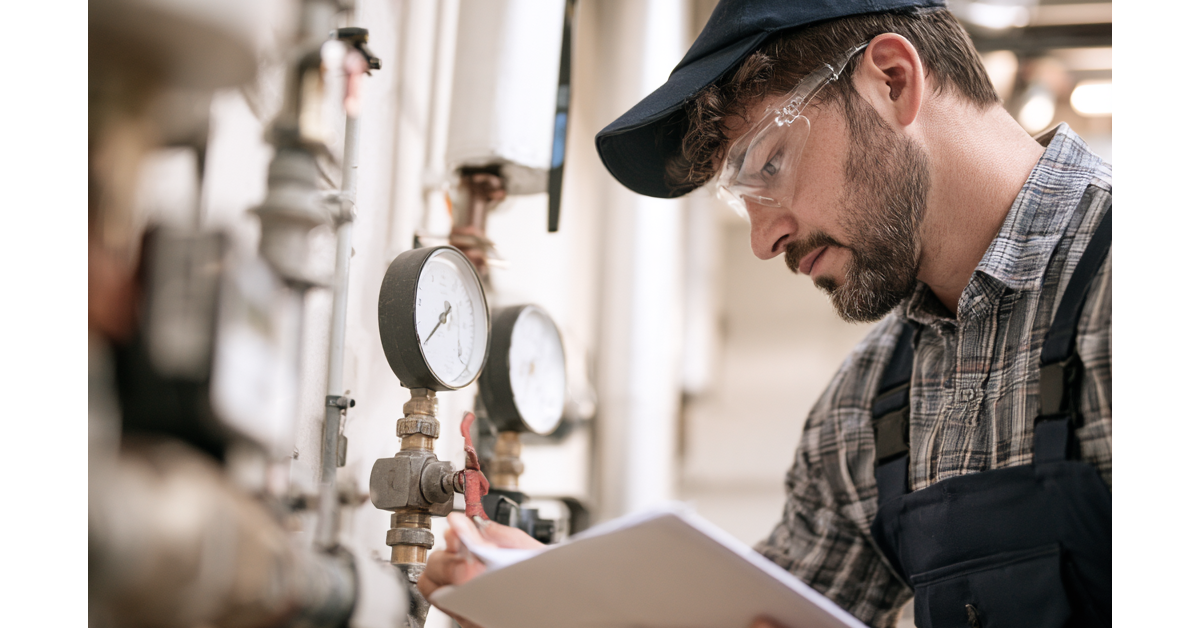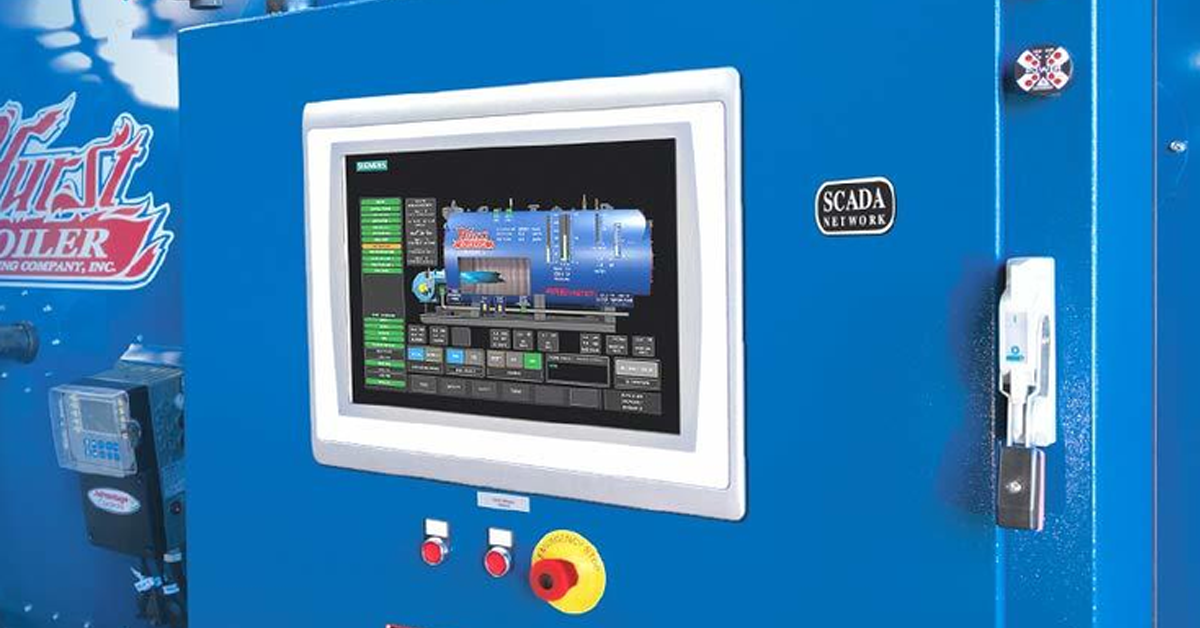
A commercial heating boiler that has been offline for the summer starts up in a straightforward sequence. Verify the controls, confirm the water level, fire the burner, bring the system to temperature. The building is warm. The process is largely the same every year.
An industrial steam system startup is a different exercise. Process steam serves production equipment, sterilization systems, food processing lines, and manufacturing operations that have specific steam quality requirements, specific pressure requirements, and specific consequences if the steam system delivers something other than what the process expects. The startup sequence for a process steam system needs to account for those requirements before the first valve is opened, not after the first batch is ruined or the first piece of production equipment is damaged.
This article covers what industrial steam system startup requires beyond the commercial boiler checklist, and where the decisions made during startup affect the process the steam is serving.
Steam quality and what it means for process applications
Steam quality refers to the percentage of the steam that is actually vapor rather than entrained water droplets. Saturated steam at 100% quality is pure vapor. Steam at 95% quality carries 5% liquid water by weight. For a commercial heating system, steam quality below 100% is an efficiency issue. For a process application, it can be a production issue or a safety issue depending on what the steam is doing.
Food processing applications require dry steam to avoid contaminating the product with boiler water chemistry. Sterilization applications require consistent steam quality to ensure that the sterilization cycle achieves the required temperature and hold time throughout the load. Turbine applications require dry steam to prevent blade erosion from water droplet impingement.
Before startup, confirm that the steam separators, moisture separators, and steam traps in the distribution system are functioning correctly. A steam separator that is bypassed or a moisture separator that is fouled allows wet steam to reach process equipment that was specified for dry steam. This is not a problem that announces itself immediately. It accumulates over time as product quality drifts, as sterilization cycle validation data becomes inconsistent, or as turbine blades show erosion that should not be occurring at the operating conditions.
Condensate return system verification
The condensate return system in a process steam plant is more complex than in a commercial heating system and its condition at startup has a direct effect on boiler chemistry and feedwater quality throughout the season.
Process condensate may carry contamination from the process side of heat exchangers, from failed tube bundles, or from steam injection systems where the steam contacts the product. Before startup, the condensate return system should be inspected and the condensate quality should be tested. Returning contaminated condensate to the boiler introduces contaminants that damage internal boiler surfaces and that require additional chemical treatment to control.
Steam traps are the most maintenance-intensive components in the condensate return system and the ones most likely to have failed during the idle period. A steam trap that has failed open passes live steam into the condensate return system, wasting energy and pressurizing the return lines. A steam trap that has failed closed allows condensate to accumulate in the steam distribution piping, creating water hammer risk when steam flow resumes at startup.
Survey the steam trap population before startup. Ultrasonic testing or infrared thermography can identify failed traps without requiring the system to be taken offline. Traps that failed during the previous season and were deferred should be replaced before startup rather than carried into another season.
Feedwater system and water treatment
Industrial steam boilers place more demanding requirements on feedwater quality than commercial heating boilers because they typically operate at higher pressures and produce steam that contacts process equipment or product. The feedwater system startup sequence should confirm that all feedwater treatment equipment is functioning correctly before the boiler is fired.
Deaerators should be inspected and tested before startup. A deaerator that is not removing dissolved oxygen effectively allows oxygen to enter the boiler and attack the internal surfaces. Oxygen pitting in a high-pressure industrial boiler progresses faster and with more serious consequences than in a low-pressure commercial system. Confirm that the deaerator spray nozzles are clear, that the vent condenser is functioning, and that the dissolved oxygen content of the deaerator effluent meets the specification for the system.
Chemical feed systems should be calibrated and tested before the boiler is put online. Chemical feed that is incorrectly calibrated produces either undertreated feedwater, which allows scaling and corrosion, or overtreated feedwater, which introduces excess treatment chemicals into the steam and potentially into the process. Pull water samples at startup and send them for analysis before the system goes to full load.
Pressure and safety system testing
Industrial process steam systems often operate at pressures significantly above the 15 PSI limit of low-pressure heating systems, and the safety system requirements at elevated pressure are correspondingly more stringent.
Safety valves in a high-pressure steam system need to be tested and their set points confirmed against the current operating pressure of the system. A safety valve that was set for a previous operating pressure and has not been retested may lift at the wrong pressure. Safety valves that have not been operated during the idle period should be manually exercised to confirm they will open freely if called upon.
Pressure vessels in the system, including the boiler drum, separators, and feedwater heaters, should be inspected before startup if they have not been inspected within the required interval. High-pressure vessels operating in industrial service accumulate fatigue cycles and thermal stress over time. The inspection interval required by the applicable code depends on the operating conditions and the service history of the vessel.
Steam pressure regulators and pressure reducing valves that serve lower-pressure process equipment should be tested and calibrated before startup. A pressure reducing valve that is not set correctly can expose downstream equipment to pressures above its design rating, or it can reduce pressure below what the process requires and cause the process to underperform.
System warmup and startup sequence
The warmup sequence for an industrial steam system is slower and more deliberate than for a commercial heating system because the consequences of thermal shock and water hammer are more significant at higher pressures and in systems that serve production equipment.
Warm the distribution piping slowly before opening steam to the process equipment. Steam introduced into cold piping condenses rapidly, and if the condensate cannot drain quickly enough through the steam traps, it accumulates in low points and creates water hammer when the steam flow accelerates it. Steam headers should be warmed from the boiler end with all drain valves and steam trap bypasses open until condensate flow stops and steam begins to pass, then closed progressively as the system comes to temperature.
Open isolation valves to process equipment gradually rather than fully at once. A rapid pressure rise in a cold heat exchanger or a process vessel can cause thermal shock to the tube bundle or the vessel walls. The equipment manufacturer’s startup procedure should be followed for any process equipment that specifies a warmup rate.
Document the startup sequence including the time, the conditions at each step, and any abnormalities observed. Industrial steam system startup documentation is part of the operating record that supports regulatory compliance, insurance requirements, and troubleshooting if problems develop during the season.
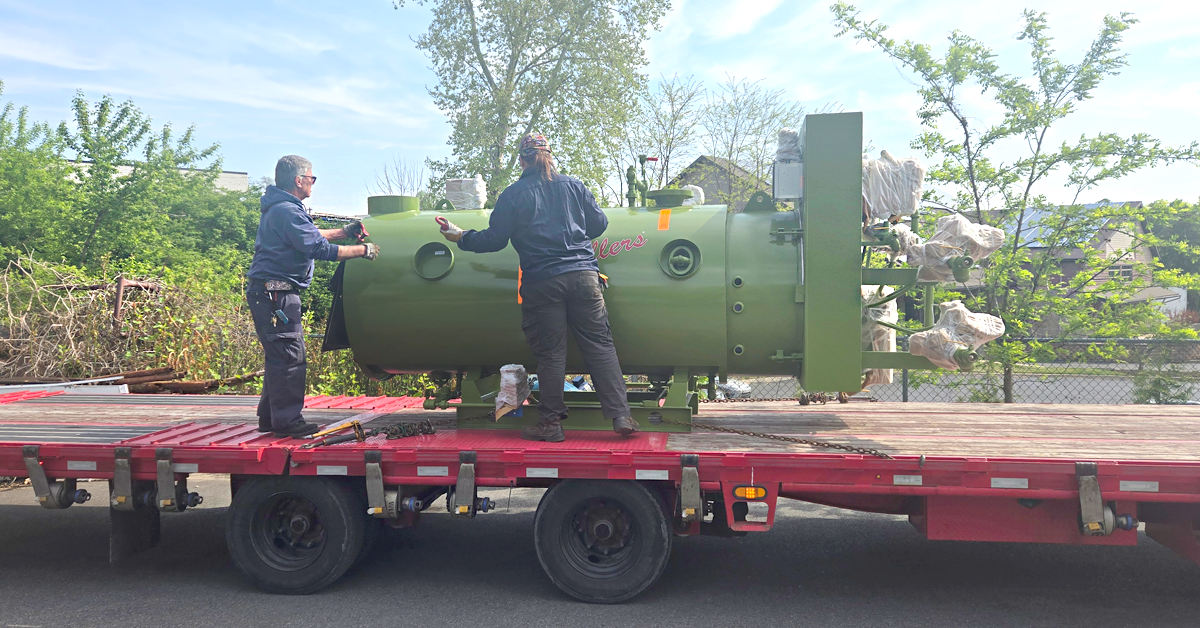
GP Energy Products represents Hurst Boiler and Sellers Manufacturing for industrial steam applications across Pennsylvania, New Jersey, Delaware, and Maryland. Sellers Manufacturing covers the full industrial steam plant including deaerators, boiler feed systems, and modular skid packages that integrate the feedwater handling with the boiler. For the pump systems serving industrial steam plants, the Merion Pump Company team handles boiler feed pumps, condensate return pumps, and process fluid handling. Visit merionpump.com for more on Merion’s industrial pump capabilities.
References
1. ASME. Boiler and Pressure Vessel Code, Section I. Governs design, fabrication, and inspection requirements for power boilers including high-pressure industrial steam applications. asme.org
2. ASME CSD-1. Controls and Safety Devices for Automatically Fired Boilers. Covers safety control testing requirements for industrial steam boilers. asme.org
3. American Boiler Manufacturers Association. Boiler Room Guide. Covers startup procedures and operational requirements for commercial and industrial steam boilers. abma.memberclicks.net
4. Spirax Sarco. Steam Engineering Tutorials. Covers steam quality, condensate return, steam trap selection, and system startup procedures for industrial steam applications. spiraxsarco.com