A boiler failure does not wait for a convenient time. It happens in January at two in the morning, or the week before a major production run, or during the one stretch of cold weather that arrives before your replacement unit is ready to install. When it happens, the question is not whether you need a solution. It is how fast you can get one running.
Rental boilers exist for exactly this situation. They also exist for planned outages, seasonal demand spikes, and construction projects that need temporary heat or steam before the permanent system is commissioned. Understanding what a rental boiler is, what situations it solves, and what you need to have ready before one arrives on site is the kind of knowledge that is far more useful before an emergency than during one.
What a rental boiler is
A rental boiler is a fully operational, code-compliant boiler unit available for temporary deployment. It connects to your existing piping, fuel supply, and electrical infrastructure and provides heat, hot water, or steam on a temporary basis while your permanent system is repaired, replaced, or supplemented.
Rental boilers are not surplus equipment sitting in a yard. They are maintained, tested, and ready to deploy. A reputable rental fleet includes units across a range of capacities and pressure ratings, covers both natural gas and fuel oil operation for sites where gas supply may be interrupted, and includes outdoor-capable units for installations where getting equipment inside the mechanical room is not possible.
GP Energy Products maintains a rental fleet ranging from 34 HP to 350 HP, covering low pressure and high pressure steam, hot water, and outdoor deployment configurations. The full fleet details are at gpenergyproducts.com/when-your-boiler-goes-down-gp-energys-rental-fleet-goes-up/.
The three situations that call for a rental boiler
Unplanned failure. A boiler goes down unexpectedly and the facility cannot wait days or weeks for parts or a replacement unit. This is the emergency scenario most people think of first, and it is where the speed of the rental fleet matters most. The faster the rental unit can be identified, dispatched, and connected, the less time the facility spends without heat, hot water, or process steam.
Planned maintenance outage. A facility is taking its primary boiler offline for service, inspection, retubing, or a controls upgrade and needs to maintain operations during the maintenance window. A planned outage is the best possible scenario for a rental boiler because there is time to arrange the right unit, confirm the connection requirements, and have everything ready before the permanent boiler goes offline. Facilities that plan their rental needs in advance get better units, better pricing, and a smoother installation than those who call during an emergency.
Temporary load or construction. A construction project, a seasonal demand spike, or a process change creates a steam or hot water demand that exceeds current capacity for a defined period. Rental boilers can supplement an existing system without permanently modifying the boiler room, and they can be removed when the temporary demand passes.
What to have ready before the rental boiler arrives
This is where preparation makes the difference between a rental deployment that takes a few hours and one that takes a few days. The installation team needs to know several things about your site before the unit can be connected.
Fuel supply. What fuel is available at the connection point? Natural gas, propane, or fuel oil? What is the gas pressure and available BTU capacity at the meter? A rental boiler that arrives at a site with insufficient gas pressure cannot operate until that is resolved.
Steam or hot water connections. What are the supply and return connection sizes and locations? Is the existing piping rated for the pressure the rental unit will operate at? Are there isolation valves that allow the rental unit to be connected without draining the entire system?
Electrical supply. What voltage and amperage is available at the boiler room? Most rental boilers require 120V control power at minimum. Larger units may require three-phase power for burner motors and controls.
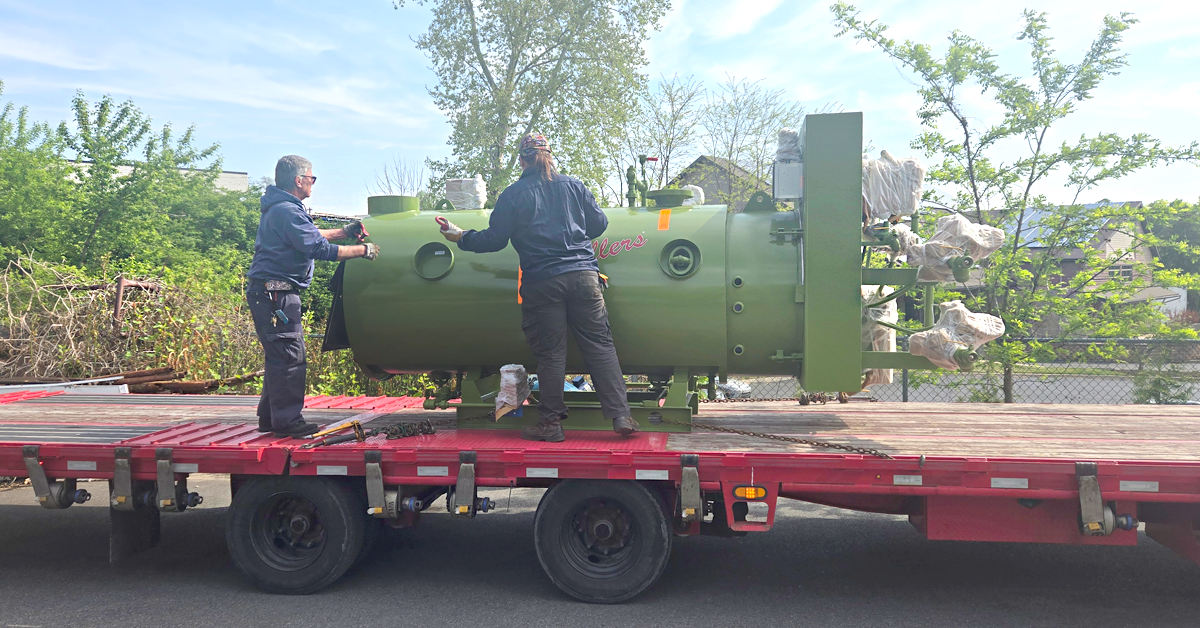
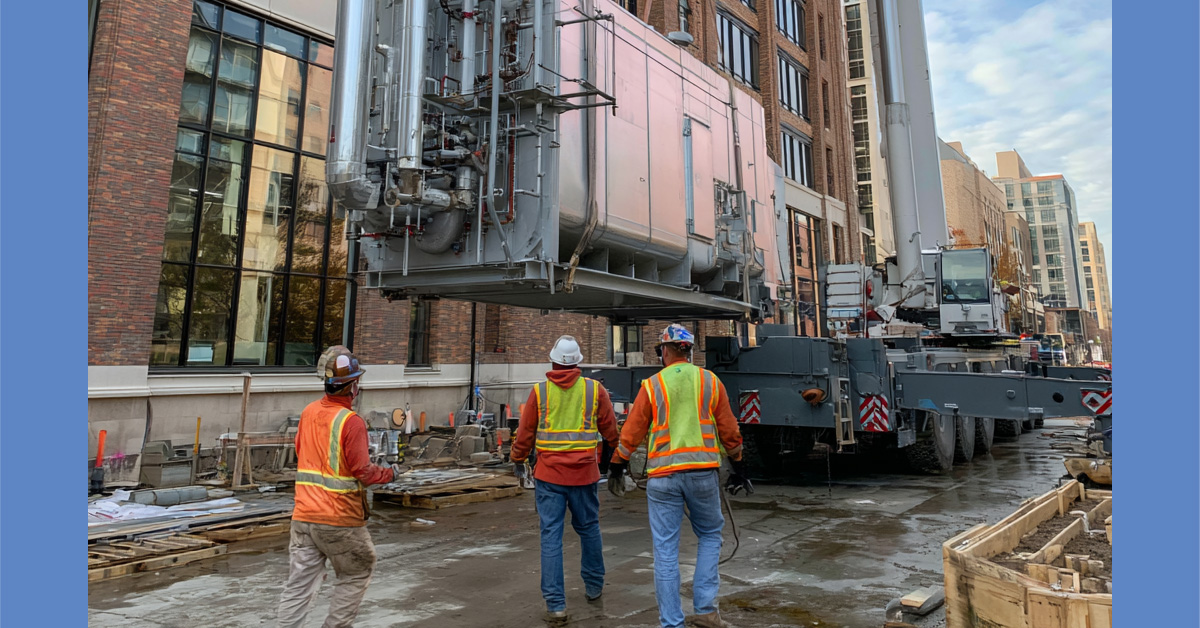
Physical access. Can the rental unit reach the connection point? Doorway dimensions, overhead clearances, and the path from the truck to the installation location all affect which unit can be deployed and how long the deployment takes. If the mechanical room cannot accommodate the rental unit, an outdoor deployment may be required. GP Energy carries outdoor-capable units including a 250 HP unit housed in a sea container and two Sellers units at 125 HP and 350 HP rated for outdoor operation without any shelter required.
Condensate return and feedwater. For steam applications, is there a condensate return system available? What is the feedwater quality and is chemical treatment available for the rental unit?
Why the conversation should happen before the emergency
The facility managers who navigate boiler emergencies best are the ones who already know what is available in the rental fleet and what their site requires to connect a rental unit. That knowledge costs nothing to acquire before an emergency and is invaluable during one.
If you manage a facility with aging boiler equipment, a planned maintenance window coming up, or a system that is operating near capacity, the right time to call GP Energy is now. We can confirm which rental units are appropriate for your application, what the connection requirements look like for your specific site, and what the deployment timeline would be if you needed a unit on short notice.
For facilities that also need pump support during a boiler outage, the Merion Pump Company team handles pump rental, emergency pump service, and hydronic system support across the same region and can coordinate with the GP Energy service team on combined outage coverage. Visit merionpump.com for more on Merion’s pump service capabilities.
References
1. GP Energy Products. Rental Boiler Fleet Overview. gpenergyproducts.com/when-your-boiler-goes-down-gp-energys-rental-fleet-goes-up/
2. American Boiler Manufacturers Association. Boiler Rental and Temporary Boiler Guidelines. abma.memberclicks.net
3. NFPA 85. Boiler and Combustion Systems Hazards Code. Governs safety requirements for temporary boiler installations. nfpa.org
4. ASME. Boiler and Pressure Vessel Code, Section I. Governs design and fabrication standards applicable to all rental boiler units. asme.org