A planned boiler replacement has one problem that a failure does not: the building still needs heat while the work happens. Swapping a boiler takes more than a day. Disconnecting the old unit, setting the new one, piping, venting, wiring, startup, and inspection all take time, and the building does not stop needing heat while they happen.
A rental boiler bridges that gap. It is the difference between scheduling the replacement for when it makes sense and scheduling it around the weather.
Why a rental changes the schedule
Without temporary heat, a replacement has to fit into a window when the building can go without, which in many facilities means summer. If equipment lead times, budgets, or a failing boiler push the project into heating season, there is no window.
With a rental on site, the building stays warm while the old boiler comes out. That gives you the freedom to order equipment when the budget is ready, to schedule the work around operations instead of the calendar, and to avoid rushing the installation to get the heat back on.
What is in the rental fleet
GP Energy keeps a rental fleet from 34 HP to 350 HP, so there is a size range for most commercial and light industrial loads. For reference, 34 HP is roughly 1,100 MBH of output and 350 HP is roughly 11,700 MBH.
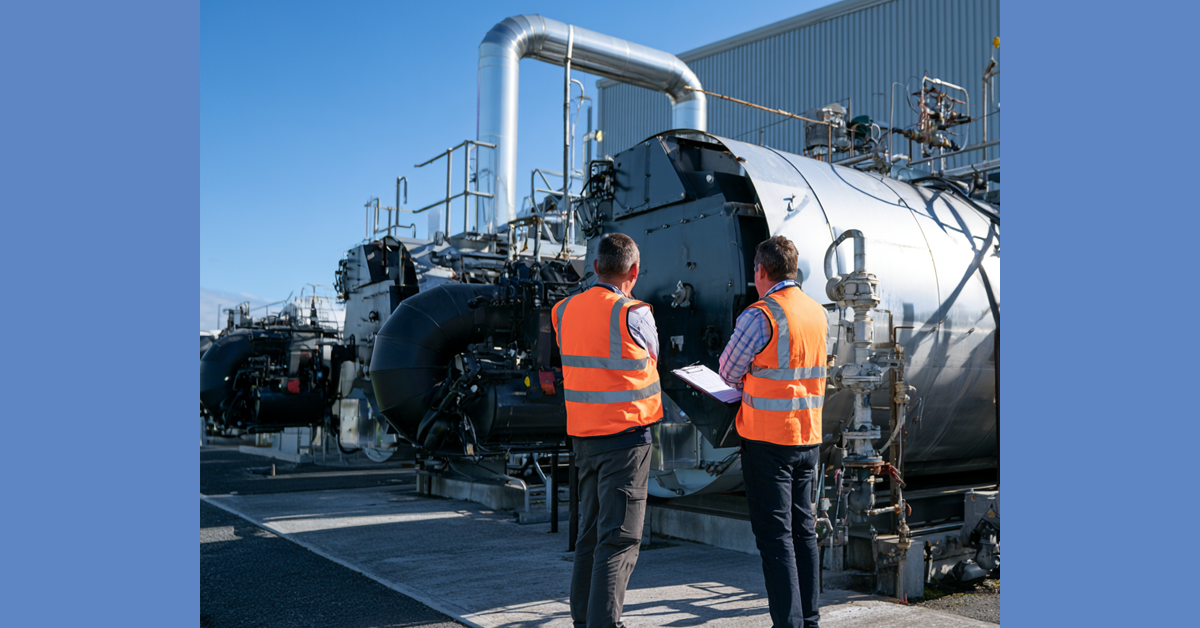
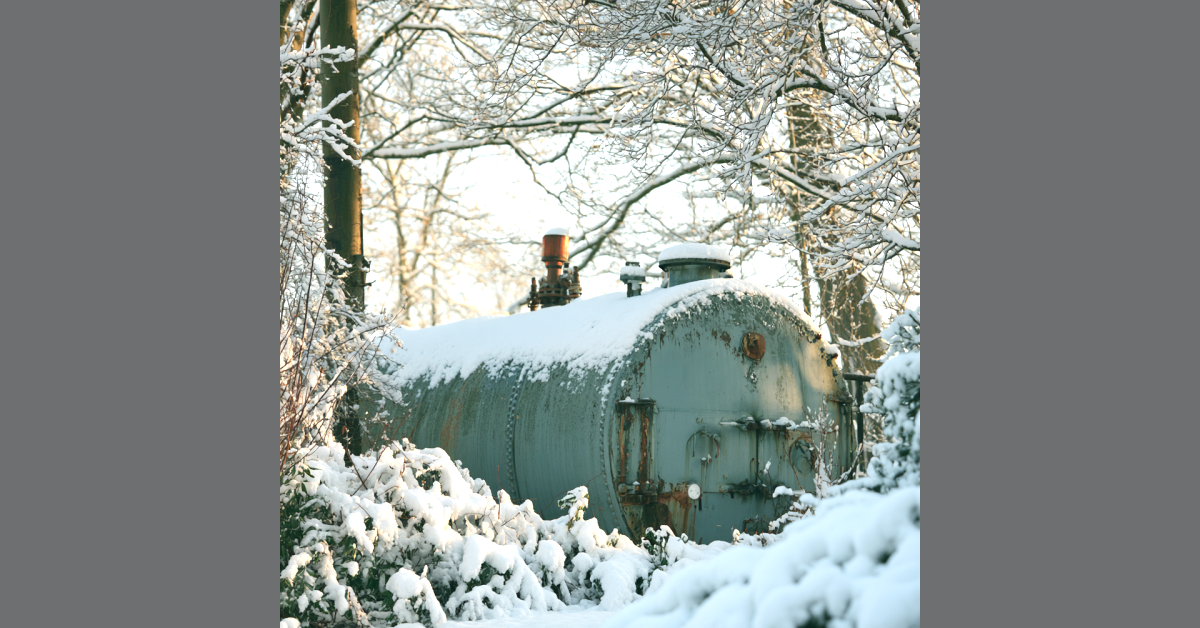
The fleet includes low-pressure steam units that can also run hot water, dual fuel boilers that burn natural gas or #2 fuel oil, and larger 150 PSI steam and hot water boilers. Some units are built for outdoor use, including a Sellers 350 HP and a Sellers 125 HP that run on natural gas or propane, and a 250 HP Burnham that is enclosed in a sea container. That matters when there is no room inside, or when the mechanical room is the thing being replaced.
For steam systems that need hot water, the fleet also includes heat exchangers. A steam to water unit is available that can deliver 717 GPM of hot water at a 30 degree temperature difference using 125 PSI steam, and a 72 gallon domestic water heat exchanger is available for domestic hot water loads.
What to plan before the rental arrives
A rental is quickest when the site is ready for it. Settle these before you call.
Pad or location. Decide where the unit goes and whether the ground and access support it. Outdoor units and container units need a level, accessible spot.
Connections. Identify the supply and return connections, the steam or hot water tie-in points, and the condensate or makeup water connection.
Fuel. Confirm whether natural gas, propane, or oil is available at the location, and at what capacity.
Power. Confirm the electrical service for the burner, controls, and pumps.
Venting. Plan the flue or stack route and any clearance requirements.
Local requirements. Check what permits or inspections apply to temporary equipment in your jurisdiction.
None of this is difficult, but it is better to find a gap in November than on the day the old boiler is coming out.
Size it to the load
The rental does not have to match the boiler it is covering. It has to cover the load you need to carry during the work. If the building can tolerate a reduced temperature or a phased shutdown, a smaller unit may be enough. If the building cannot, size it to the design load. We can help work through that, along with the fuel and the connection details.
When to ask
The right time to ask about a rental is when the replacement is first planned, not when the old boiler is already off. If the project is on the 2027 list, a short conversation now about the schedule and the temporary heat plan will save a lot of scrambling later.
Rental availability depends on what is in the fleet at the time, so ask early for planned work.
For pump cross-references on the same plant, Merion Pump Company covers that in today’s article. Visit merionpump.com for more. For packaged systems built to fit tight mechanical rooms, FabPro Systems covers that in today’s article. Visit fabprosystems.com for more. For heating coils served by the boiler plant, HX Coils covers coil piping in today’s article. Visit hxcoils.com for more.