
October is not the time to find out your boiler has a problem. By October the heating season has started, the service schedule is filling up, and the options for addressing a problem narrow significantly when the building needs heat. The facility managers who avoid that situation are the ones who scheduled their pre-season inspection in August, found the issues when there was still time to address them, and started heating season with a boiler plant they had actually verified rather than one they were hoping would work.
This checklist covers what a thorough commercial boiler pre-season inspection should verify. It is organized by system so a facility manager or service technician can work through it methodically. Some items require instrumentation and trained technicians. Others are visual checks any facilities staff member can perform. All of them are easier to address in August than in January.
Burner and combustion
The burner is where the fuel becomes heat and where efficiency losses accumulate silently over time. Pre-season burner checks should include:
Combustion analysis. Measure oxygen content, carbon dioxide, carbon monoxide, and flue gas temperature across the full modulation range. A burner that drifted since last season’s tune-up may be burning rich or lean without any visible indication. Fuel wasted across a heating season because nobody checked the combustion numbers is significant.
Burner components. Inspect the fuel nozzle or gas orifice for wear or fouling. Check the igniter and flame detector for correct operation. Verify combustion air damper positioning and freedom of movement across the full range. Inspect fuel train components and gaskets for signs of leakage.
Flame safeguard. Cycle the flame safeguard through a controlled lockout to confirm it trips correctly and that the fault indicator and reset function work. Document the test result.
Safety controls
ASME CSD-1 requires safety controls to be tested at defined intervals with results documented. Every pre-season inspection should include:
Low water cutoff. Test the low water cutoff by slowly lowering the water level until the cutoff trips. Confirm the boiler shuts down at the correct level. Reset and verify normal operation. Document the test.
High limit control. Verify the high limit setpoint is correctly configured for the system. Confirm the control opens at the setpoint and resets correctly.
Operating control. Confirm the operating control setpoint and differential are correctly configured for the current building load profile.
Pressure relief valve. Inspect the relief valve for signs of weeping or prior operation. Do not manually lift the valve unless it has not been tested in more than a year and the system pressure can be safely managed during the test.
Additional safety interlocks. Test any application-specific safety interlocks including low gas pressure switches, high gas pressure switches, and combustion air proving switches.
Heat transfer surfaces
Fire side. Open the cleanout doors and inspect the fire side tube surfaces for soot, scale, and deposit accumulation. Heavy deposits on the fire side reduce heat transfer and indicate combustion problems that may have been present all season. Clean if necessary before startup.
Water side. Pull a water sample and send it for analysis. Confirm pH, hardness, dissolved oxygen, and inhibitor concentrations are within the target range for the system. Scale on the water side of the tubes reduces efficiency and in severe cases causes localized overheating. If scale is suspected, a borescope inspection or eddy current tube testing will confirm the condition.
Tube condition. Inspect accessible tubes for signs of corrosion, erosion, or mechanical damage. A tube that is thinning from corrosion is a candidate for replacement before it fails during the heating season.
Breeching and flue gas path
Inspect the breeching, stack, and flue gas passages for deposits, corrosion, blockages, and physical damage. A partially blocked flue gas path increases backpressure at the boiler outlet, affects combustion quality, and in severe cases can force flue gases into the mechanical room.
For condensing boilers, inspect the condensate drain line for blockage and verify the condensate neutralization system. Check the neutralization media and replace if depleted. A blocked condensate drain or exhausted neutralization system causes condensate to back up into the boiler.
Confirm the breeching joints and seals are intact. Category IV positive-pressure venting requires gasketed joints that seal completely. A leaking joint on a condensing boiler venting system allows acidic flue gases to enter the mechanical room.
Water treatment and system chemistry
Test the system water for pH, hardness, dissolved oxygen, conductivity, and inhibitor concentration. Water chemistry that has drifted outside the target range over the off-season will accelerate corrosion and scale formation during the heating season.
For glycol systems, test glycol concentration and inhibitor package condition. Glycol degrades over time and with heat exposure. Glycol that has fallen below the minimum freeze protection concentration or that has depleted inhibitors does not protect the system the way fresh glycol does.
Review the water treatment log for the previous season. Patterns in chemical consumption, conductivity trends, and makeup water usage can indicate developing problems with the system before they become visible failures.
Expansion tank and system pressure
Check the expansion tank pre-charge pressure against the design specification. An expansion tank that has lost its pre-charge allows system pressure to swing beyond the normal operating range, which causes the pressure relief valve to weep and the system to lose fluid through makeup water addition.
Verify system cold fill pressure and operating pressure at temperature. Pressure consistently outside the design range indicates either an expansion tank problem or a pressure reducing valve that needs calibration.
Controls and building automation interface
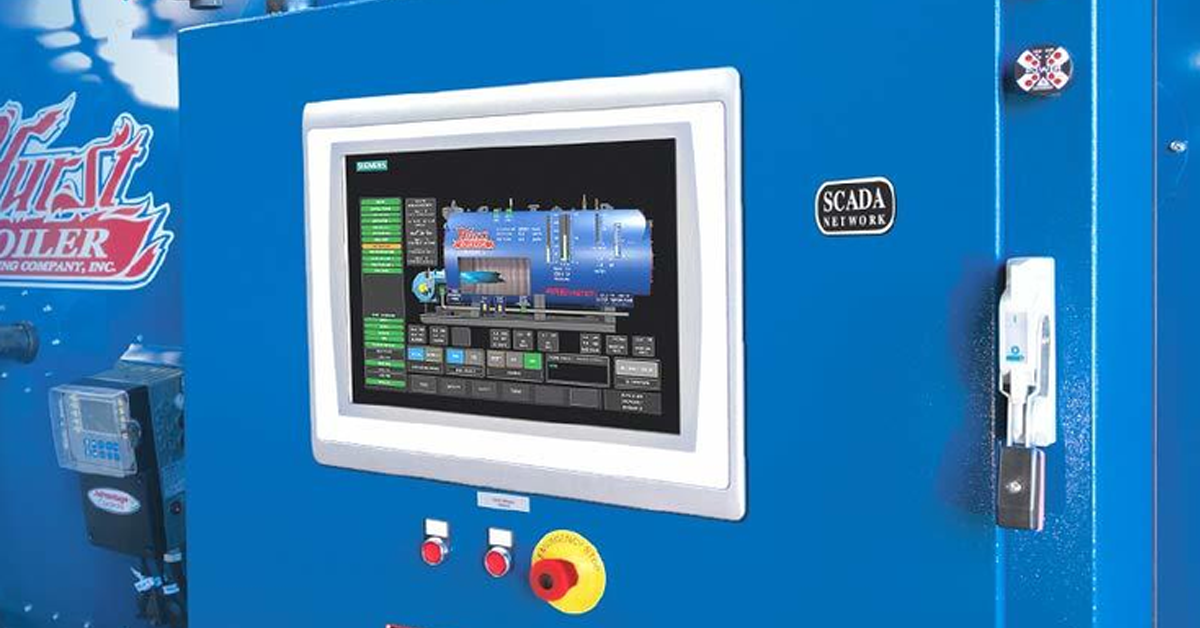
Review the boiler control fault history for codes logged since the last inspection. Fault codes that were cleared without investigation may indicate developing problems that will return when the system is under heating season load.
Verify setpoints against the current building load profile. A setpoint that was appropriate last season may not be appropriate for the current building configuration or occupancy pattern.
Confirm the building automation system interface is communicating correctly and that the boiler is responding to BAS commands as expected. For multi-boiler plants, test the sequencing and lead-lag logic to confirm staging transitions happen correctly.
Before the first cold snap
The value of a pre-season inspection is entirely in the timing. Every item on this checklist is manageable in August. Some of them become emergencies in October. The GP Energy Products service team provides pre-season boiler inspections for commercial and industrial facilities across Pennsylvania, New Jersey, Delaware, and Maryland. We have availability now. We will not have the same availability in September.
For facilities that also want to verify their pump systems and hydronic distribution before heating season, the Merion Pump Company team provides pump pre-season checks covering bearing condition, seal inspection, alignment verification, and variable speed drive diagnostics. Visit merionpump.com for more on Merion’s pump service capabilities.
References
1. ASME CSD-1. Controls and Safety Devices for Automatically Fired Boilers. Governs safety control testing requirements and documentation for commercial boilers. asme.org
2. NFPA 85. Boiler and Combustion Systems Hazards Code. Covers operational safety requirements for commercial and industrial boilers. nfpa.org
3. American Boiler Manufacturers Association. Boiler Room Guide. Covers pre-season maintenance recommendations for commercial boiler plants. abma.memberclicks.net
4. ASHRAE. HVAC Systems and Equipment Handbook, Chapter on Boilers. Covers boiler maintenance, inspection procedures, and safety control testing. ashrae.org