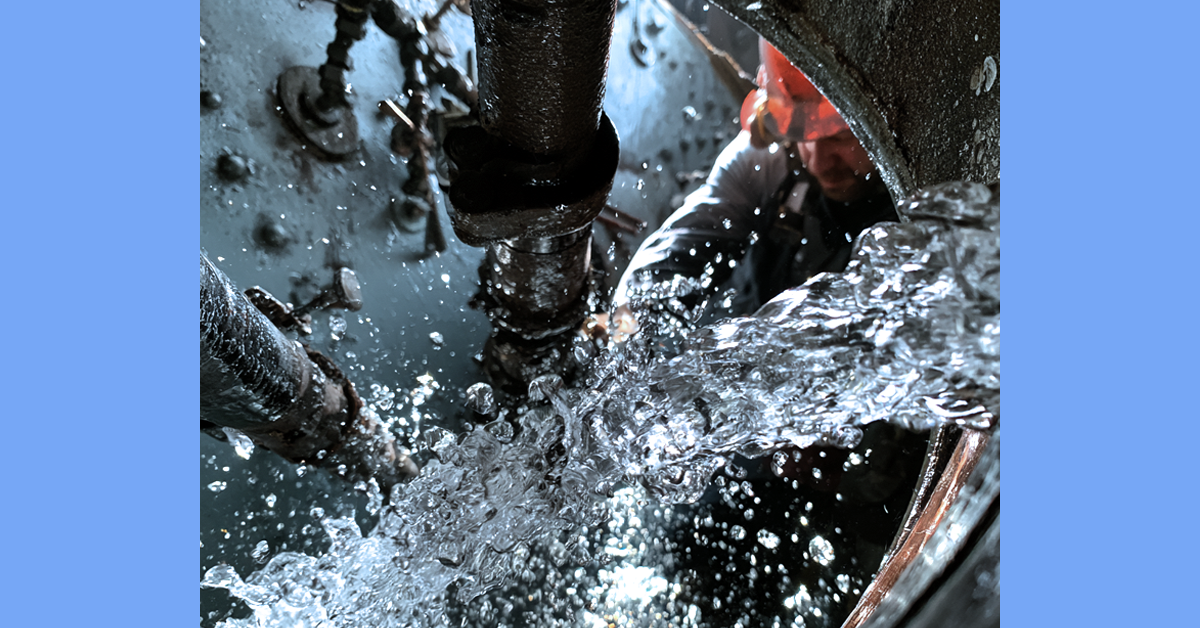
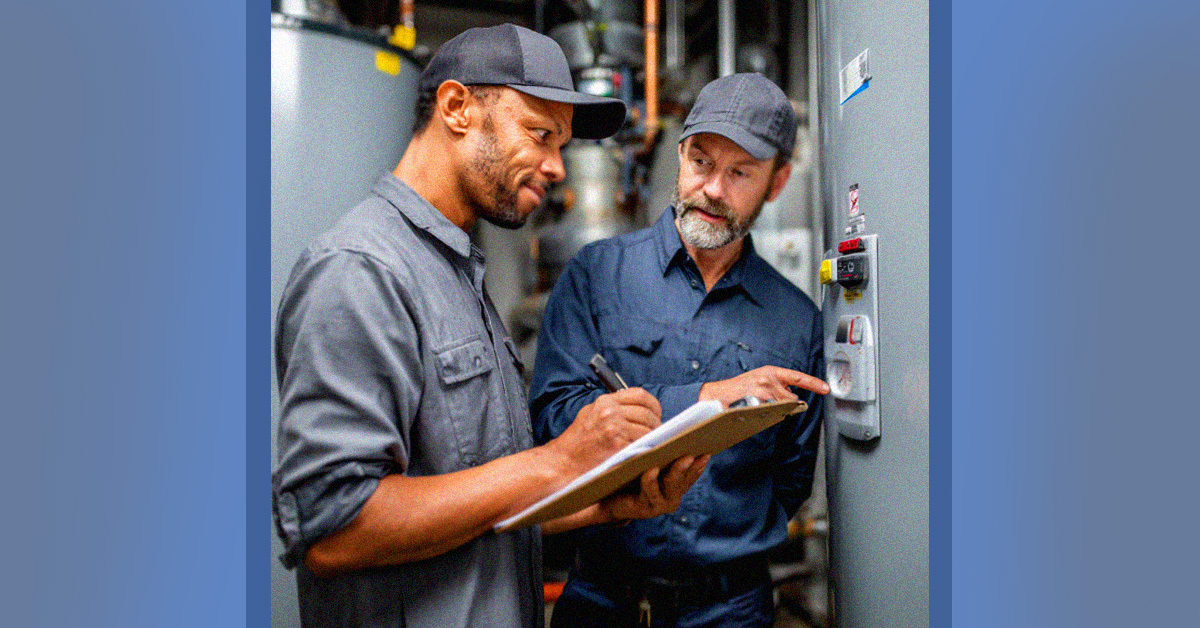
There is a boiler plant somewhere in this region that ran without incident for twenty years. Not because the equipment was new. Not because nothing ever went wrong. It ran well because one person had been there long enough to know it. They knew which valve needed coaxing in January. They knew the pressure gauge on the far boiler read a little high. They knew when to call for help and when to wait fifteen minutes and try again. That knowledge was never written down because it never needed to be. It lived in one person, and that person is gone now.
This is not a story about one building. It is a story about a significant portion of the industrial and commercial mechanical systems operating across Eastern Pennsylvania, New Jersey, and Delaware right now. The generation of boiler operators, facility engineers, and maintenance directors who understood these systems at a deep level is retiring. Some are not retiring. They are simply not there anymore. And the pipeline of trained replacements is not keeping pace with the rate of departure.
The real cost of institutional knowledge leaving
The workforce conversation in the mechanical trades tends to focus on technician headcount. That is the visible part of the problem. The less visible part is what disappears with the headcount: decades of application-specific knowledge about how a particular system behaves in a particular building under particular conditions.
A new facilities manager inheriting a boiler plant they did not install, from a predecessor they never met, is not just managing equipment. They are managing uncertainty. They do not know the history of that system. They do not know what was repaired, what was deferred, what the manufacturer said the last time someone called about it. They are making decisions about equipment they do not fully understand, often under pressure, often without anyone to ask.
The decisions they make in that environment are consequential. A deferred repair that an experienced operator would have caught becomes an emergency call at two in the morning. An efficiency problem that someone with context would have recognized as a symptom gets treated as the problem itself. Equipment that should have been replaced gets run past its reliable service life because nobody in the building has enough history with it to make the call.
“The knowledge gap is not just a staffing problem. It is an equipment problem, a maintenance problem, and eventually a capital problem. It compounds over time in ways that are expensive to unwind.”
What a rep firm with 30+ years in this market actually provides
GP Energy Products has been working on commercial and industrial mechanical systems across this region since 1953. That is not a marketing line. It is a practical reality that affects what we can do for a facility manager who is navigating this transition.
We have worked on the equipment that is in these buildings. We know the manufacturers, the product generations, the common failure modes, and the service histories that tend to repeat. When a new facilities director calls us about a boiler system they inherited, we are not starting from zero. We are often starting from a position of having some version of that conversation before, with similar equipment, in a similar building.
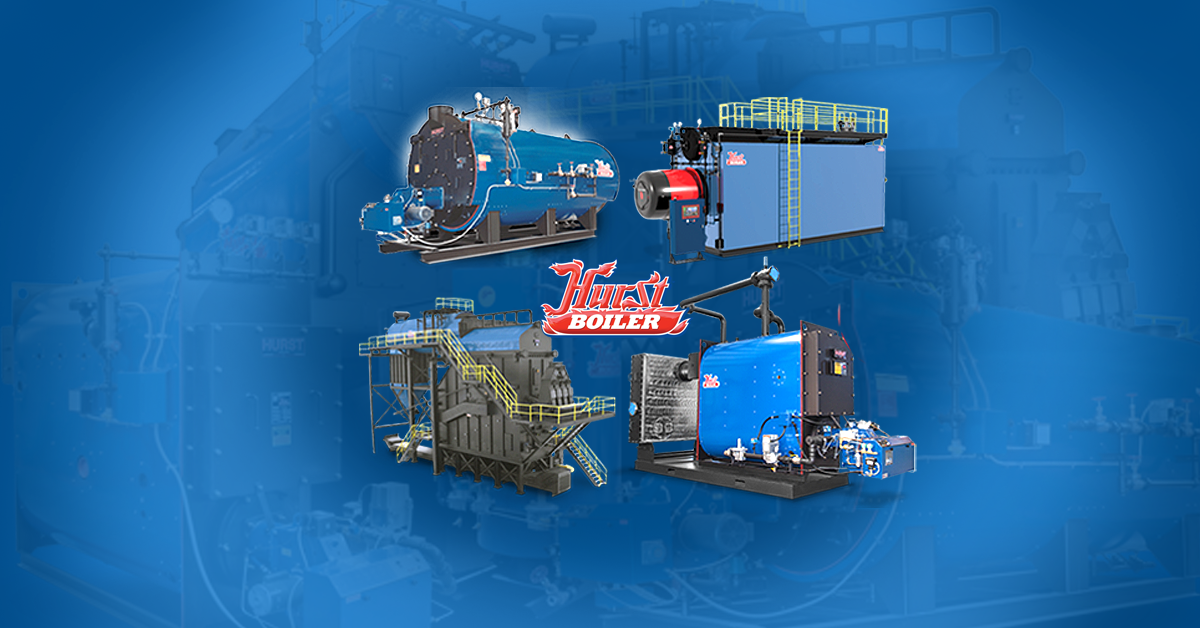
The manufacturers we represent, including Sellers Manufacturing for industrial steam, Hurst Boiler across the commercial and industrial range, Unilux for high-efficiency applications, and Riello for burner technology, are lines we know at a depth that comes from years of application support, startup, and service coordination in the field. When we recommend a configuration for a replacement project, that recommendation is grounded in how similar systems have actually performed in similar applications in this region. Not just what the spec sheet says.
What this means practically for facility managers right now
If you are a facility manager or maintenance director who has recently taken over responsibility for a mechanical system you did not install and do not have full history on, the most valuable thing you can do is get eyes on that system from someone who has context. Not a service call. Not a quote request. A conversation about what you have, how old it is, what its service history looks like as best you know it, and what the realistic horizon looks like for the major components.
That conversation costs nothing and tends to be worth a great deal. It gives you a baseline. It gives you a prioritized picture of what needs attention now versus what can wait. And it gives you a relationship with a team that will be easier to reach the next time something happens at an inconvenient hour.
We are not the only firm that can have that conversation. But we have been having it in this region for a long time, and we have not walked away from a problem yet.
Inherited a mechanical system you need to understand better?
GP Energy Products serves engineers, facility managers, and maintenance directors across Eastern PA, Southern NJ, and Delaware. If you have equipment you are not sure about, we would rather have that conversation now than after something goes wrong.
Contact us today
References
1. U.S. Bureau of Labor Statistics. Occupational Outlook Handbook: Stationary Engineers and Boiler Operators. Covers employment trends, certification requirements, and workforce projections for licensed boiler operators and stationary engineers. bls.gov/ooh
2. National Institute of Standards and Technology (NIST). Manufacturing USA: Workforce Development and the Skills Gap in Industrial Operations. Covers the broader workforce knowledge transfer problem in industrial facilities as experienced trades workers retire. nist.gov
3. ASHRAE. ASHRAE Guideline 4: Preparation of Operating and Maintenance Documentation for Building Systems. Covers best practices for documenting mechanical system history, maintenance records, and operating procedures to support knowledge transfer between facility personnel. ashrae.org