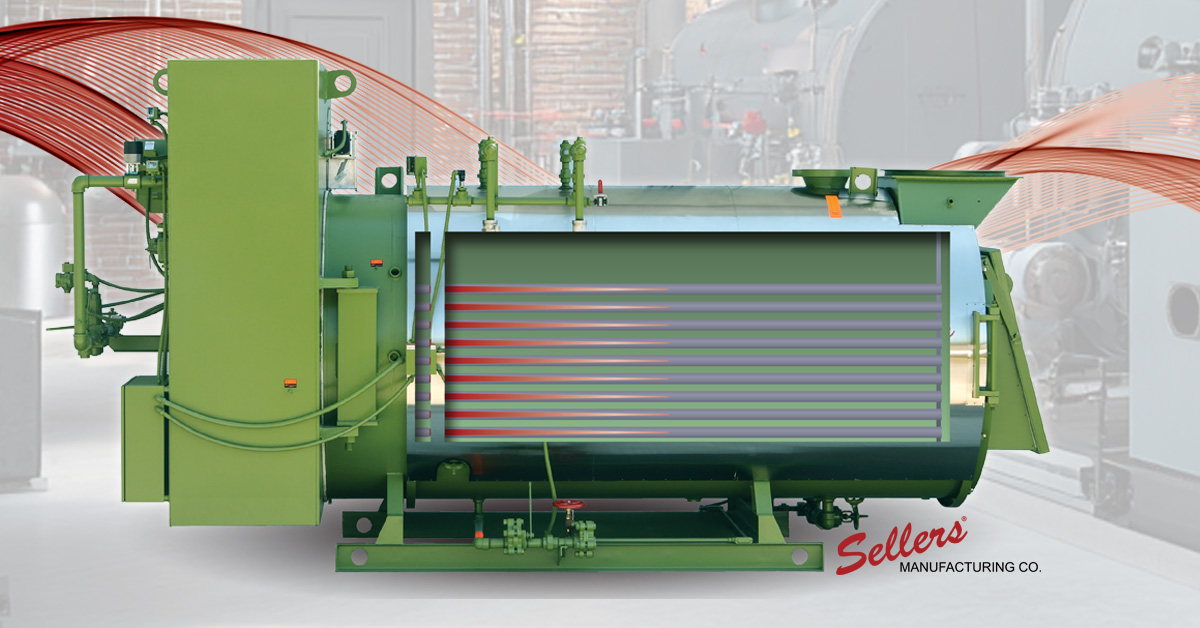
There is a version of this industry that exists on paper, and there is the version that exists in the field. On paper, steam is old technology, something the market is slowly phasing out in favor of cleaner, simpler systems. In the field, steam is running 24 hours a day inside pharmaceutical plants, food processing facilities, wastewater treatment operations, and manufacturing floors from Pennsylvania to Delaware and beyond.
Those facilities are not going anywhere. And neither is steam.
What has changed is the number of people in this industry who genuinely understand industrial steam systems, know how to specify them correctly, and can support the facilities that depend on them. That gap, between what the market needs and what it is actually being offered, is where GP Energy Products has spent the last three decades.
Why steam keeps getting written off, and why that’s a mistake
The commercial HVAC world has largely moved on. Hot water systems dominate new construction. High-efficiency boilers have made steam feel like a relic in the minds of engineers who learned their trade in that environment. That perspective is not wrong for the markets it describes. But it has created a blind spot.
Industrial processes require steam for reasons that have nothing to do with fashion. Sterilization in pharmaceutical manufacturing. Pasteurization in food processing. Digester heating at wastewater plants. Process heating in refineries and manufacturing operations. These are not applications where a contractor swaps in a modern hot water system and calls it progress. They are applications where steam is the only answer, and where the consequences of a poorly specified or improperly supported system are significant.
“The reps who know industrial steam are the ones winning those jobs. The rest are quoting the same commercial work against fifteen competitors.”
The facilities that run on steam are also, generally speaking, the facilities that run continuously. They cannot afford extended downtime. They need partners who understand the equipment, can respond quickly, and, increasingly, can help them navigate a workforce crisis that is quietly affecting every plant manager and facilities director in the region.
The workforce problem nobody is talking about loudly enough
There is a second crisis running underneath the steam conversation, and it is just as significant. Certified boiler operators are becoming increasingly scarce. The generation of licensed technicians who understood these systems at a deep level is retiring. The pipeline of trained replacements is not keeping pace. Facilities that once had experienced operators running every shift are now managing with thinner coverage, less institutional knowledge, and a growing anxiety about what happens when something goes wrong at 2am on a Sunday.
We hear this directly from the facility managers and maintenance directors we work with across Pennsylvania, New Jersey, and Delaware. The question is no longer just “can you service this equipment?” The question is increasingly “can you help us keep this running when we do not have the people internally to do it?”
That is not a question every vendor in this space is positioned to answer. It is a question we take seriously.
Where industrial steam still runs the show
Four sectors that depend on steam — and aren’t switching.
Pharmaceutical
Sterilization and clean steam for GMP manufacturing environments
Food Processing
Pasteurization, cooking, and sanitation across continuous production lines
Wastewater Treatment
Digester heating and process steam at municipal and industrial facilities

Manufacturing
Process heating, humidification, and power generation across plant operations
What it means to actually specialize
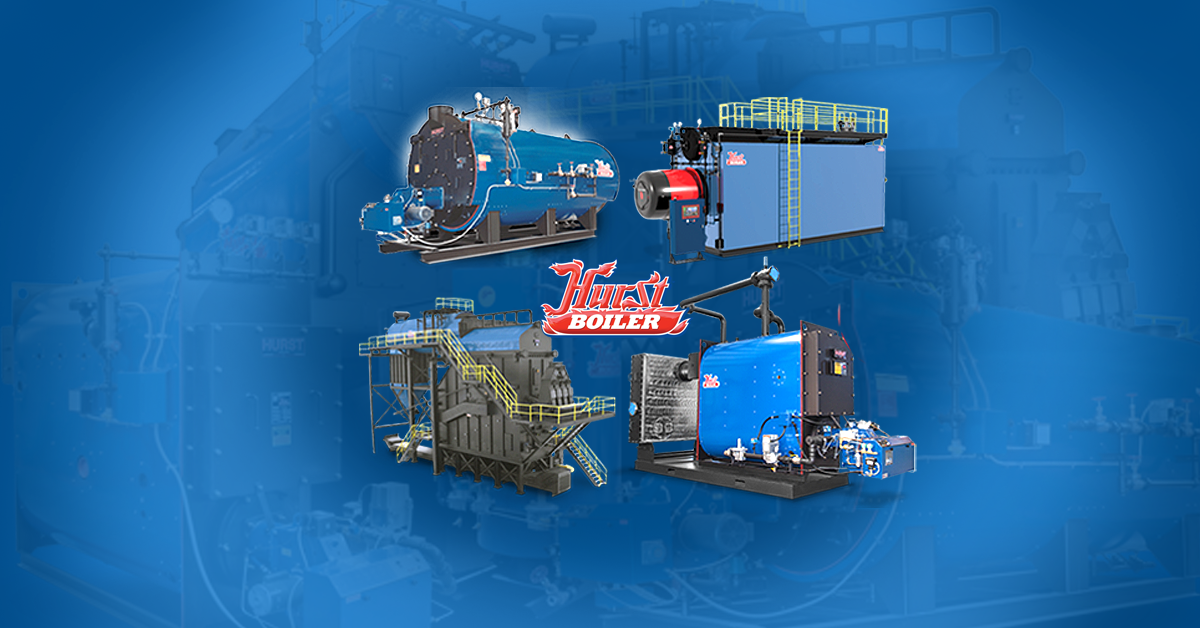
GP Energy Products represents Hurst Boilers, Sellers Manufacturing, Unilux, Riello, and a portfolio of complementary equipment built for the industrial and commercial mechanical market. We are not a catalog company. We are not trying to be all things to all customers. What we are is a team with deep knowledge of the applications where this equipment performs, and the willingness to engage at the engineering level that those applications demand.
Getting specified into a project before the bid goes out requires that kind of engagement. It means understanding the process, not just the product. It means knowing why a one-pass Sellers boiler is the right answer for a specific industrial steam application, even if a three-pass Cleaver Brooks is what the engineer copied from the last spec. It means being present at the design phase, not just at the bid table.
That is the work. It is slower than selling off a price list. It produces better outcomes for the facilities we serve, and it builds the kind of relationships that last longer than a single project.
The opportunity ahead
Industrial steam is underserved, not because the demand has faded, but because the number of people in this industry willing to do the hard work of understanding it has thinned out. That creates an opening for the companies that take it seriously.
We intend to be one of them. This blog is part of how we plan to show our work, sharing what we know, what we are seeing in the field, and how we think about the markets we serve across the Mid-Atlantic region.
If you are an engineer, a facility manager, or a contractor working in industrial or commercial mechanical systems, we are glad you found us. There is more to come.
Work with a team that knows industrial systems.
GP Energy Products serves engineers, facility managers, and contractors across Pennsylvania, New Jersey, and Delaware. If you have a project in mind or a system question worth talking through, we want to hear from you.
Contact us today
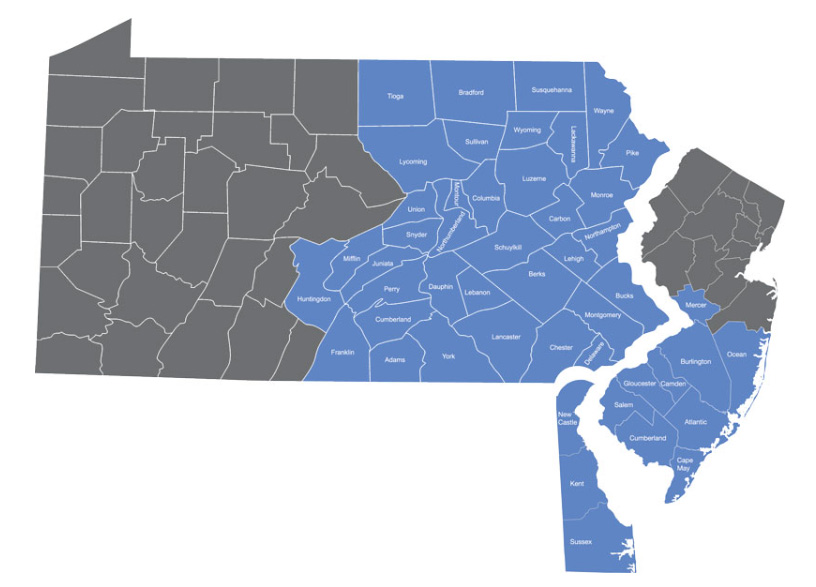
Our service area: Pennsylvania, New Jersey, and Delaware
Industrial and commercial mechanical systems across the Mid-Atlantic region